DIY vs Hiring a Pro for Home Repairs: How to Decide
· By Wanderson Sarmento
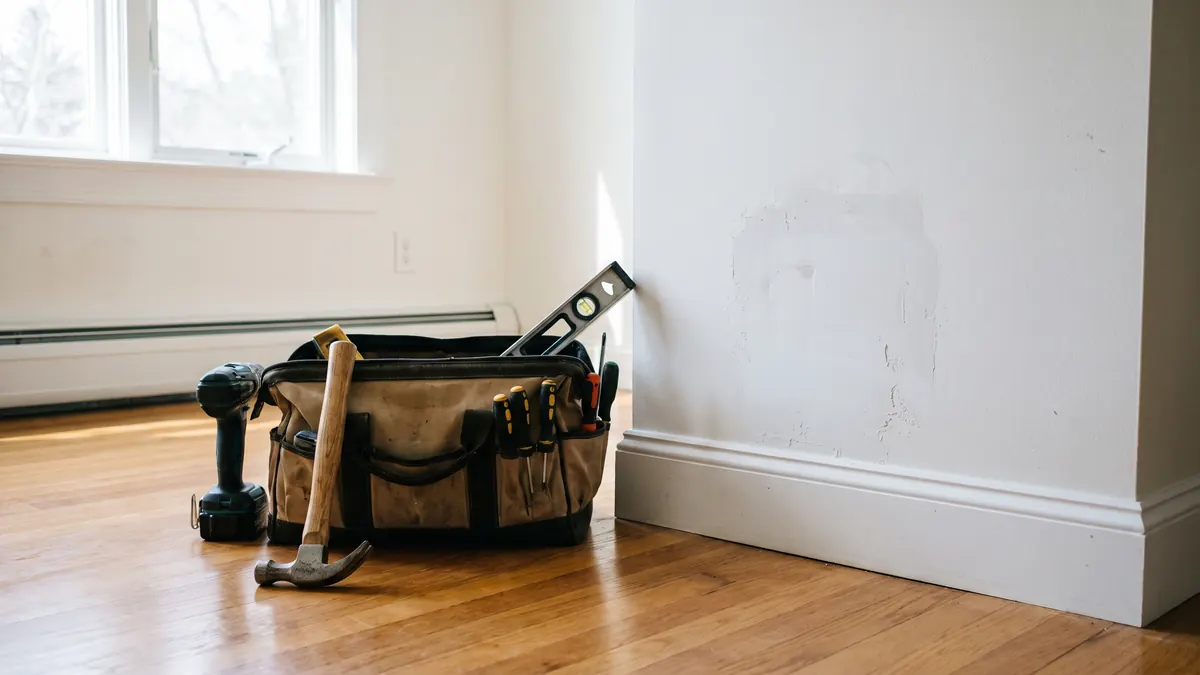
Every house has a list: the drywall crack over the door, the loose stair tread, the grout that keeps turning dark. Some of those are weekend jobs. Others look simple and turn into a bigger, more expensive problem when done wrong.
This guide gives you a clear way to decide when to DIY and when to call someone, using real repair examples common in Greater Boston homes, where many houses are a century old and rarely perfectly square.
Four questions to ask before you pick up a tool
Is it safe? Anything involving electrical wiring, gas, working at height or structural framing carries real risk. If the honest answer is no or not sure, hire a pro.
Does it need a permit or a licensed trade? In Massachusetts, plumbing, gas and electrical work generally must be done by licensed professionals, and structural changes usually need a permit. If a permit is involved, DIY is rarely the right call.
What happens if it goes wrong? A badly painted wall costs a gallon of paint. A badly sealed shower can cost a subfloor, a ceiling below and weeks of repairs.
What is your time worth? A pro might finish in three hours what takes you three weekends, plus trips to the hardware store and tools you will use once.
Repairs most homeowners can handle
Small drywall holes from nails, anchors or doorknobs, using a patch kit and lightweight compound. Painting a room, including prep and touch-ups. Caulking around tubs, sinks and trim. Replacing cabinet hardware, outlet covers and switch plates. Tightening loose hinges and adjusting cabinet doors. Re-grouting a small area of wall tile. Swapping a showerhead or a toilet flapper.
These jobs are low risk, need inexpensive tools and are easy to redo. Watching a good tutorial and taking your time usually produces a solid result.
Repairs that are worth hiring a pro
Large drywall repairs and plaster: anything bigger than a hand, water-damaged sections, or cracks that keep coming back. Many older homes in Chelsea, Somerville and Malden have plaster over lath, which does not patch like modern drywall. Matching texture so the repair disappears takes practice.
Carpentry that has to be straight and solid: stair treads and railings, door frames that have shifted, window trim in an out-of-square opening, and subfloor repair. Railings and stairs are safety items, not cosmetic ones.
Tile and shower work: a shower is a waterproofing system, not just tile on a wall. Most failures come from what is behind the tile. If grout keeps cracking, tiles sound hollow or there is a stain on the ceiling below, the problem is usually bigger than grout.
Anything with plumbing, gas or electrical beyond a like-for-like fixture swap. These usually require a licensed trade and often a permit.
Anything in a pre-1978 home that means sanding, scraping or cutting painted surfaces. Lead-safe work practices apply, and a certified renovator knows how to contain the dust.
What home repairs typically cost in Greater Boston
Prices vary widely with access, materials and how much hidden damage turns up, but these are rough market ranges many homeowners see in the Boston area.
A small drywall patch with paint touch-up often runs a few hundred dollars, mostly for the visit, the compound drying time and the return trip to finish. Larger water-damaged ceiling or wall sections commonly land between several hundred and a couple thousand dollars, depending on size and whether the leak source also needs repair.
Small carpentry fixes like rehanging a door or replacing trim often fall in the low hundreds. Stair or subfloor repairs can run higher once boards are opened up. Regrouting or repairing a section of tile typically costs a few hundred dollars, while a failed shower usually needs a full rebuild, which is a remodeling project.
Many homeowners save money by grouping repairs into one visit. A crew that patches drywall, fixes a door and replaces trim in one day costs less per item than three separate calls. Get a free estimate for your exact price.
The hidden costs of DIY
Tools add up fast. A good oscillating tool, a wet tile saw, a quality level and drywall knives can easily cost more than a pro would charge for a small job. Mistakes cost twice: once for the materials you used and again for the person who fixes it.
There is also resale. Buyers and home inspectors notice uneven patches, wavy caulk lines and tile lippage. Work that needed a permit but was done without one can create questions at closing.
How to hire a pro for small repairs
Write a list of every repair, with photos. Send it to two or three contractors and ask for a written estimate. Ask whether they handle small jobs and whether they can group several repairs into one visit.
Confirm insurance, and for home improvement work on an owner-occupied home with one to four units in Massachusetts, ask whether the contractor is registered under the state HIC program. Ask any contractor, including us, for those details before work starts.
Pay attention to how quickly they reply and how clearly they explain the work. On small jobs, responsiveness is often the biggest difference between contractors.
A middle path: DIY the prep, hire the skilled part
You can lower the cost by doing the simple parts yourself. Clear and empty the room, remove furniture and wall hangings, and handle final painting after a pro finishes the drywall. Some homeowners do demolition of non-structural items, but talk to your contractor first so nothing gets damaged that they planned to keep.
If your list is getting long, WS Construction and Remodeling handles home repairs big and small across Greater Boston, from drywall and carpentry to tile fixes. Text us on WhatsApp with photos and we will reply the same day.
Frequently asked questions
- Should I hire a handyman or a contractor for home repairs?
- For small, simple fixes, a handyman or repair crew is usually enough. For work that involves permits, structural changes or several trades, hire a contractor. In Massachusetts, home improvement work on owner-occupied homes with one to four units generally requires HIC registration, so ask about it.
- Can I repair drywall myself?
- Small holes and cracks, yes. Large sections, water damage, ceilings and plaster walls are harder to make invisible and are often worth hiring out, especially in older homes.
- Is it cheaper to group home repairs together?
- Usually yes. Several repairs in one visit spread the travel and setup time across more work, which lowers the cost per repair. Make one list with photos and ask for a single estimate.
- Which repairs should never be DIY?
- Electrical wiring, gas lines, structural framing and most plumbing beyond a simple fixture swap. In Massachusetts these generally require licensed trades and often a permit. Lead paint work in pre-1978 homes also needs lead-safe practices.
- Does WS Construction and Remodeling do small repairs?
- Yes. We handle home repairs big and small, including drywall, carpentry and general fixes, with a free estimate and no visit fee. Text us on WhatsApp at (857) 326-0243.
Related services
Found this helpful? Make us a preferred source on Google.
Ready for an exact price?
Get a free, no-pressure in-home estimate. Real numbers for your home, not a phone guess.