Remodeling in Cambridge, MA: Historic Districts, Condo Rules and What to Plan For
· By Wanderson Sarmento
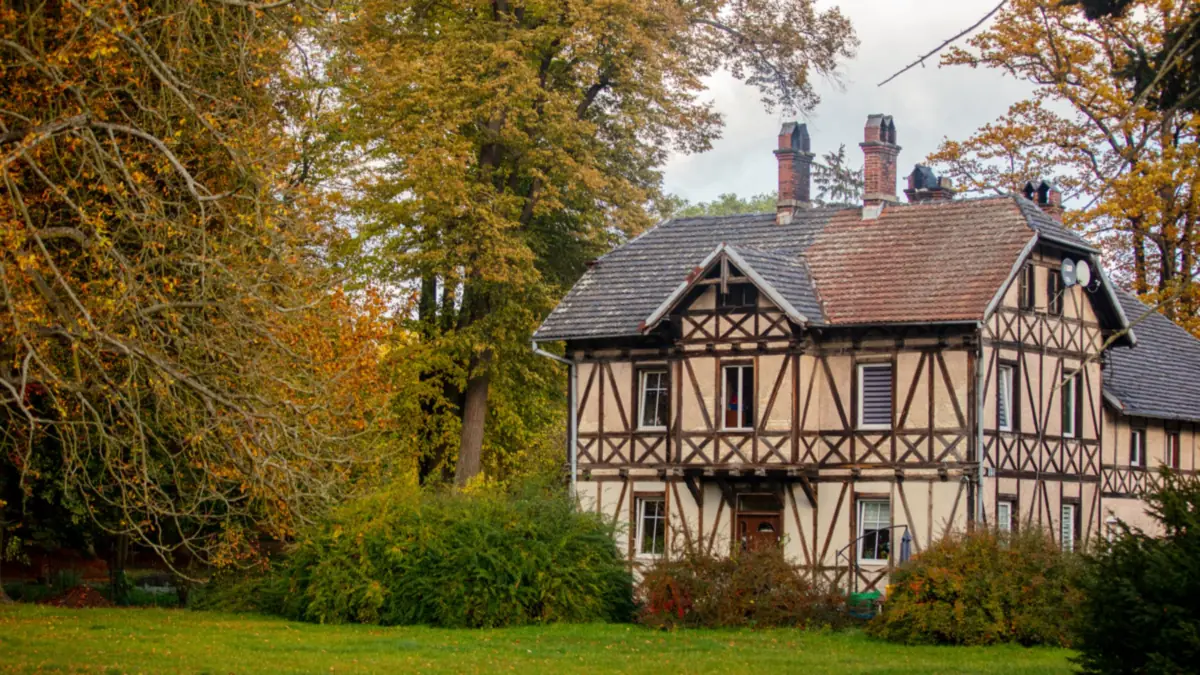
Cambridge has some of the oldest and most carefully watched housing in Massachusetts. Greek Revival cottages in East Cambridge and Cambridgeport, Victorian and Second Empire houses in Mid-Cambridge, large Colonial Revival homes in West Cambridge and triple-deckers in North Cambridge all sit within a few miles of each other. Many have been converted into condominiums, and a meaningful number sit inside historic or conservation districts.
That mix makes remodeling in Cambridge a little different from the surrounding cities. The interior work itself is familiar: bathrooms, kitchens, floors, cabinets. The planning around it, including district review, condo approvals, tight streets and old building systems, is where Cambridge projects succeed or stall. This guide walks through each piece.
Cambridge housing: old, varied and often divided into condos
Much of residential Cambridge was built in the 1800s and early 1900s. Worker cottages near the old industrial areas of East Cambridge and The Port tend to be small, with low ceilings and narrow stairs. Houses around Harvard Square, Avon Hill and Brattle Street are larger and more ornate, with original trim, plaster moldings and wood floors that owners usually want to keep. North Cambridge and parts of Cambridgeport have rows of two-families and triple-deckers.
A large share of these buildings are now condos. In a converted Victorian, your unit might share a heating system, a plumbing stack or a basement with two or three neighbors, and the condo documents may control when work can happen, which floors require sound underlayment and who has to sign off before demolition.
The result is that two Cambridge bathroom remodels with the same finishes can look very different on paper, depending on whether the house is a detached single-family in West Cambridge or a third-floor unit in Mid-Cambridge.
Historic and conservation districts: what gets reviewed
The Cambridge Historical Commission oversees the city's local historic districts, such as the Old Cambridge Historic District, and neighborhood conservation districts, including Mid Cambridge and Avon Hill. If your property is inside one of these areas, exterior changes that are visible from a public way, such as windows, doors, siding, porches, roofing materials or additions, generally need review before a building permit is issued.
Interior work is generally outside that review. A new bathroom, a kitchen with new cabinets or refinished floors usually does not involve the Historical Commission unless it changes the exterior, for example a new window or a vent through a front wall. Cambridge also has a demolition review process for older buildings, which matters if a project involves taking down part of a structure.
The simplest step is to check your address with the Historical Commission early, before you finalize a design. Review adds time, and finding out late can push a start date back by weeks.
What older Cambridge homes reveal during demolition
Expect layers. A 140-year-old house has usually been renovated several times, and each renovation left something behind: old flooring under new flooring, abandoned pipes, wiring from different eras and framing that was cut to fit a past project. Sections of knob-and-tube wiring and ungrounded circuits still turn up, and a licensed electrician will need to address what is exposed.
Original wood floors are common and often worth saving, but they can hide uneven joists and patched subfloors. In bathrooms, rotted subfloor under tubs and toilets, cast iron drains and galvanized supply lines are frequent finds. In basements, moisture and low ceiling heights limit what can be done without significant work.
Homes built before 1978 should be treated as having lead paint until tested, and EPA lead-safe work rules apply to contractors who disturb those surfaces. Old flooring, pipe wrap and some plasters can also contain asbestos. Ask any contractor how they handle these before work begins, and plan a contingency of 10 to 20 percent on top of the estimate for an older home.
Permits and practical logistics in Cambridge
Building permits in Cambridge go through the city's Inspectional Services Department. Structural changes, new or relocated plumbing, electrical work and gas work typically need permits, with plumbing and electrical permits pulled by the licensed trades. Like-for-like cosmetic updates often do not need a building permit, but confirm before you start.
Massachusetts requires contractors doing home improvement work on existing owner-occupied homes of one to four units to be registered under the Home Improvement Contractor (HIC) program. Ask for the number and verify it with the state.
Logistics deserve real attention. Many Cambridge streets are narrow, resident-permit parking is the norm, and a dumpster or container on the street generally needs a city permit. Condo buildings often set quiet hours and rules for using shared stairs and hallways. Settle where materials will be stored, where the crew will park and how debris leaves the site before day one.
When to schedule a Cambridge remodel
Interior work can happen any time of year. Late fall and winter are often a smart window for bathrooms, kitchens and flooring because contractor schedules tend to be more flexible and the work stays inside a heated house.
Exterior changes, especially anything that needs historic or conservation district review, benefit from starting the paperwork in winter so construction can begin when the weather allows in spring or summer. Freeze-thaw cycles affect masonry, exterior paint and some sealants, so those trades fit best in warmer months.
Also consider the academic calendar. Parts of Cambridge, especially near Harvard and MIT, see heavy move-in and move-out traffic at the end of May and around September 1, when streets fill with trucks and parking gets even harder. Avoid scheduling demolition or deliveries in those weeks if you can.
Choosing a contractor and setting priorities
In Cambridge, look for a contractor who is comfortable with older homes and with working around neighbors. Ask how they protect original floors and trim, how they control dust in a shared building, and how quickly they respond to messages when an issue comes up. Get written estimates after an in-person visit, confirm insurance in writing and make sure the contract explains how hidden conditions are handled.
For priorities, bathrooms and kitchens usually come first because original layouts are small and dated. A bathroom remodel that adds proper ventilation and waterproofing protects the house as well as improving it. Across Greater Boston, mid-range full bathroom remodels commonly run somewhere around $25,000 to $50,000, and Cambridge projects in older condo buildings can land higher because of access, logistics and condition, so treat any range as a starting point.
Flooring, custom-fit cabinets for awkward spaces and careful repairs to plaster and trim are also high-value in homes where original character is part of the price. WS Construction and Remodeling provides free estimates with no visit fee, and the team works in English, Portuguese and Spanish. A walkthrough is the fastest way to find out what your specific building needs.
Frequently asked questions
- Does the Cambridge Historical Commission review interior remodels?
- Generally no. Review in local historic and neighborhood conservation districts focuses on exterior changes visible from a public way. Interior work like a new bathroom or kitchen usually is not reviewed unless it changes the exterior.
- How do I know if my Cambridge home is in a historic district?
- Contact the Cambridge Historical Commission or check the city maps for local historic districts and neighborhood conservation districts. Do this before finalizing a design, since review can add time to the schedule.
- Do I need a permit to replace flooring in my Cambridge condo?
- Replacing flooring over a sound subfloor usually does not require a building permit, but many condo associations require approval and specific sound underlayment, especially for units above other units. Check your condo documents first.
- Why do remodels in Cambridge often cost more than nearby towns?
- Older buildings, condo rules, limited parking, permit requirements for street dumpsters and the care needed around original finishes all add time. Hidden conditions behind 19th-century walls are also common.
Found this helpful? Make us a preferred source on Google.
Ready for an exact price?
Get a free, no-pressure in-home estimate. Real numbers for your home, not a phone guess.