Remodeling in Quincy, MA: Coastal Homes, Mid-Century Houses and How to Plan Your Project
· By Wanderson Sarmento
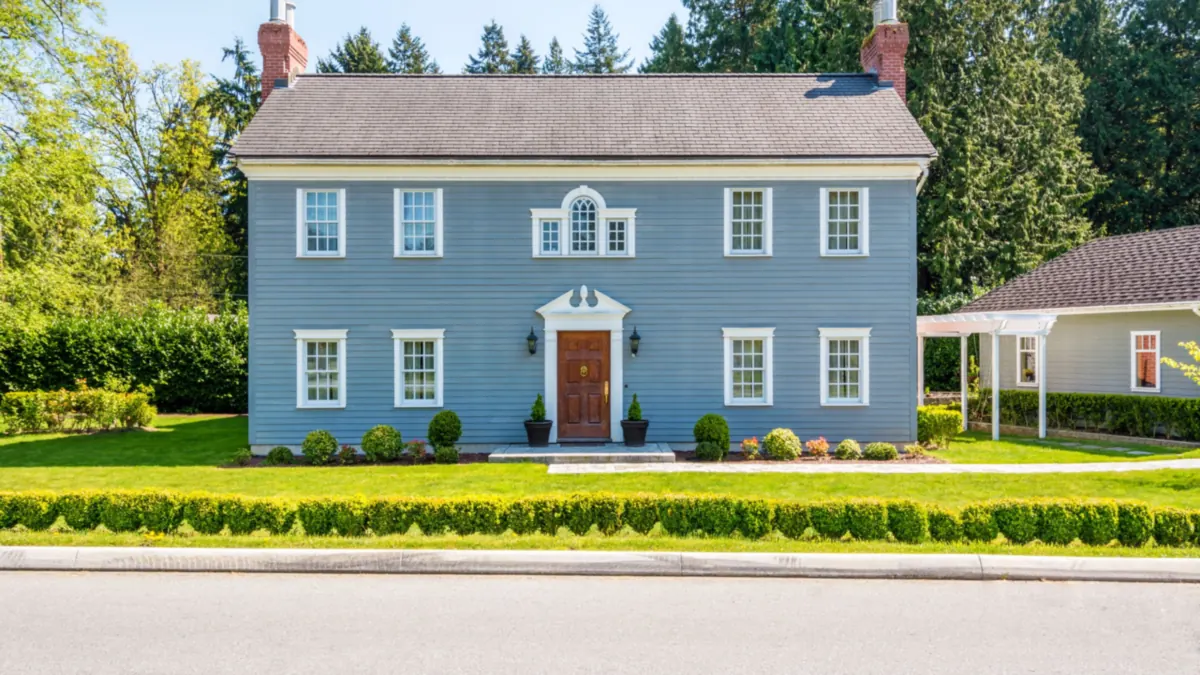
Quincy covers a lot of ground. It has miles of shoreline along Quincy Bay and the Neponset River, dense neighborhoods around the Red Line stations at North Quincy, Wollaston and Quincy Center, and quieter streets of Capes, ranches and colonials in West Quincy and Merrymount. The city is known as the birthplace of John Adams and John Quincy Adams, and for the granite quarries that once supplied stone across the country. Its housing is just as varied.
That variety means there is no single Quincy remodel. A bathroom in a 1950s Cape near Furnace Brook is a different project from a kitchen in a Wollaston Victorian or a first-floor renovation in Houghs Neck, where salt air and flood maps enter the conversation. This guide covers what to expect, how permits generally work, when to schedule and which projects tend to pay off.
Quincy housing by neighborhood
Wollaston and parts of Quincy Center and North Quincy have older homes from the late 1800s and early 1900s: Victorians, two-families and some triple-deckers, often with plaster walls and original wood floors. These areas also have many condos, both in converted houses and in newer buildings near the T.
Much of the rest of the city filled in during the middle of the 20th century. In Montclair, West Quincy, South Quincy and Merrymount you will find Cape Cods, ranches, split-levels and colonials built from the 1930s through the 1960s. These houses usually have drywall or early plasterboard, smaller kitchens and bathrooms, and basements that were never designed to be living space.
Then there are the coastal neighborhoods: Squantum, Houghs Neck, Adams Shore and parts of Quincy Point and Germantown. Here, homes range from converted summer cottages to newer construction, and location near the water shapes almost every remodeling decision.
What turns up when you open walls and floors
In older Wollaston and Quincy Center homes, expect the usual signs of age: layers of past renovations, plaster over wood lath, out-of-level floors, galvanized supply pipes, cast iron drains and, in some homes, sections of old wiring that a licensed electrician will want to replace.
Mid-century Capes and ranches have their own patterns. Bathrooms from that era often have tile set in a mortar bed over wood subfloors, and decades of small leaks can leave rot underneath. Kitchens may have had appliances added over the years on circuits that were never meant to carry them. Some floor tiles, adhesives and pipe insulation from those decades can contain asbestos, so ask how suspect materials will be handled before demolition.
Near the water, moisture is the main story. Salt air corrodes exterior fasteners and metal fixtures faster, crawl spaces and basements can stay damp, and finishes on the ground floor need to tolerate humidity. In any home built before 1978, assume lead paint until tested; EPA lead-safe rules apply to contractors disturbing painted surfaces. Budget a contingency of roughly 10 to 20 percent for hidden conditions.
Permits, flood zones and the paperwork side
Building permits in Quincy are handled by the city's Inspectional Services Department. Structural changes, new or moved plumbing, electrical work and gas work generally require permits, and plumbing and electrical permits are pulled by licensed trades. Cosmetic replacements in the same layout often do not need a building permit, but check with the city first.
If your home is in a FEMA Special Flood Hazard Area, as some properties in Houghs Neck, Squantum and Adams Shore are, there is an extra layer. Under federal floodplain rules, when the cost of improvements reaches 50 percent or more of the building's market value, the whole structure may need to be brought up to current flood standards. Ask the city about this before you plan a large renovation, and check your flood zone on FEMA's maps.
Massachusetts also requires contractors doing home improvement work on existing owner-occupied homes of one to four units to be registered under the state Home Improvement Contractor (HIC) program. Ask for the registration number and verify it.
The best time of year to remodel in Quincy
Interior projects such as bathrooms, kitchens, flooring and cabinet installation work year-round, and winter is often the easiest time to get on a contractor's schedule. Starting in January or February also means a finished bathroom or kitchen before summer.
Exterior repairs, decks and anything that opens the house to the weather fit best between late spring and early fall. That matters more on the coast, where winter storms and nor'easters bring wind and water that you do not want hitting an open wall. If you live in a coastal neighborhood, avoid scheduling exterior work that leaves the house exposed during the peak storm months.
Spring is the busiest season across the South Shore and Greater Boston. Get estimates early in the year, and allow time for permits and material orders before your target start date.
How to choose a contractor for a Quincy remodel
Ask about experience with your type of house. A contractor working on a coastal home should talk about moisture-resistant materials, ventilation and corrosion-resistant fasteners. One renovating a mid-century Cape should ask about the subfloor, the electrical panel and the basement.
Get two or three written estimates after an in-person visit. Look for line items for demolition, materials, labor and allowances, plus a clear explanation of how hidden damage is handled. Confirm insurance in writing, check HIC registration and ask how the job site will be kept clean and organized, especially in a condo building near the T where neighbors share hallways and parking.
Responsiveness is a good test. If messages take days to come back during the estimate stage, they will not get faster once demolition starts. WS Construction and Remodeling answers calls and messages the same day and works in English, Portuguese and Spanish.
Remodeling priorities that make sense in Quincy
Bathrooms are usually the first priority in mid-century homes, where the original bathroom is small, sometimes the only one, and showing its age. A full remodel with proper waterproofing, a vented exhaust fan and a new subfloor solves the moisture problems that New England summers and coastal air make worse. In Greater Boston, mid-range full bathroom remodels commonly fall somewhere around $25,000 to $50,000, with wide variation based on size, layout and finishes.
Kitchens and cabinet upgrades come next. Many Capes and ranches have compact kitchens where better cabinet layouts and new flooring transform the space without moving walls. Basement finishing is popular too, but in damp or flood-prone areas, moisture control and flood zone rules have to come before finishes.
For homeowners preparing to sell or rent, targeted repairs to drywall, carpentry and trim, new flooring and a post-construction cleaning can make a strong impression for less than a full renovation. WS provides free estimates with no visit fee, which makes it easy to compare a full remodel with a focused repair plan.
Frequently asked questions
- Do I need a permit for a bathroom remodel in Quincy?
- Most bathroom remodels involve plumbing and electrical work that requires permits pulled by licensed trades, and moving walls or fixtures adds a building permit through the Inspectional Services Department. Simple cosmetic updates may not need one. Confirm with the city before starting.
- What is the 50 percent rule for homes in Quincy flood zones?
- Under federal floodplain rules, if improvements to a home in a Special Flood Hazard Area cost 50 percent or more of the building's market value, the structure may need to meet current flood standards. Check with the city before planning a large project.
- Is it worth finishing a basement in Quincy?
- It can be, but it depends on moisture. In drier homes, a finished basement adds useful space. In damp basements or flood-prone areas, waterproofing and flood zone requirements need to be addressed first, or finishes will not last.
- How long does a typical remodel take in a Quincy Cape or ranch?
- A bathroom remodel commonly takes a few weeks of active work. Kitchens and multi-room projects take longer. Permits, material lead times and hidden subfloor or wiring issues are the most common reasons for delays.
Found this helpful? Make us a preferred source on Google.
Ready for an exact price?
Get a free, no-pressure in-home estimate. Real numbers for your home, not a phone guess.