
Remodeling in Somerville, MA: A Homeowner Guide to Old Two-Families, Permits and Timing
· By Wanderson Sarmento
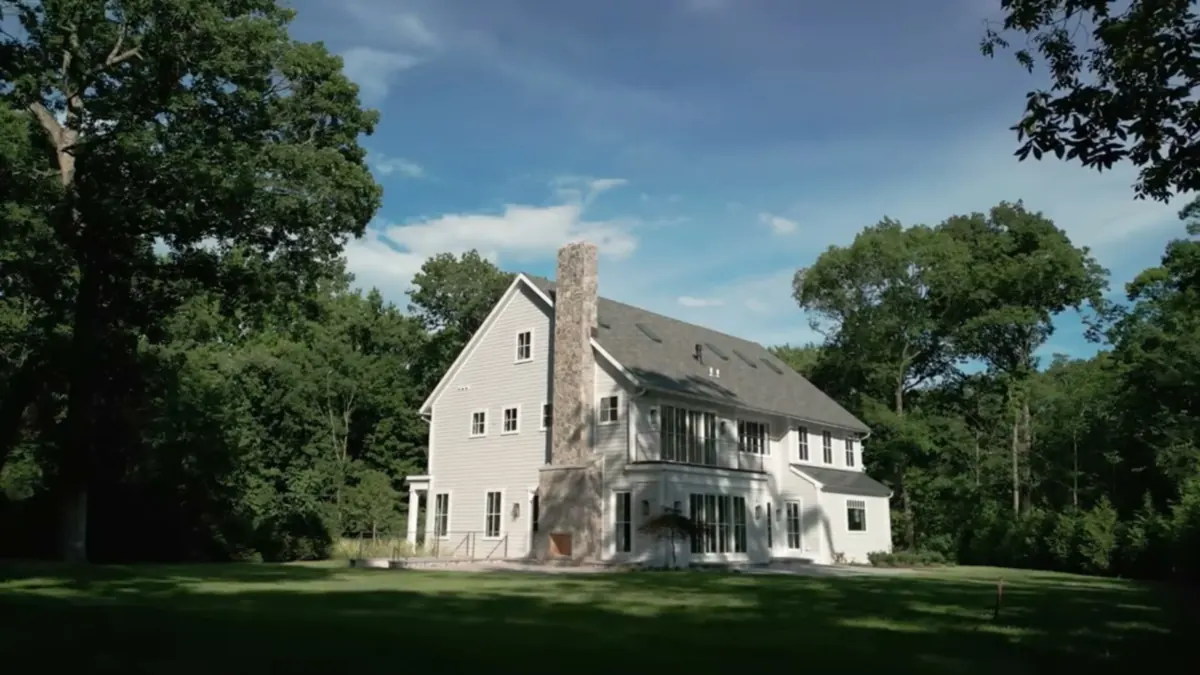
Somerville is one of the most densely built cities in New England, and most of that density is made of wood: two-family houses, triple-deckers and single-family homes packed onto small lots from Spring Hill to East Somerville. Many of them went up between the 1880s and the 1920s, and many have since been split into condos. That history shapes every remodel here, from how materials get onto the site to what you find when the first wall comes down.
This guide is for homeowners and condo owners who are planning a project and want to know what they are walking into. It covers the typical housing stock, the surprises that show up in older buildings, how permitting generally works in the city, when to schedule, how to choose a contractor and which projects tend to make the most sense in Somerville.
The housing you are probably working with
Walk through Winter Hill, Prospect Hill, Ball Square or Magoun Square and you will see the same building types over and over: two-family houses with stacked units, triple-deckers with front porches on every floor, and narrow single-families built close to the sidewalk. Most were built for working families in the late 1800s and early 1900s, using balloon framing, plaster on wood lath and full-dimension lumber.
Over the last few decades, a large share of these buildings were converted into condominiums. If you own a unit, your remodel is shaped by the condo documents as much as by the house itself. Shared walls, shared plumbing stacks and shared basements mean some work needs association approval before anyone picks up a tool.
Newer construction exists too, especially around Assembly Row and along the Green Line Extension corridor near Union Square and Gilman Square, but the typical Somerville remodel still happens inside a building that is more than a century old.
What usually shows up when walls and floors open
Older Somerville homes rarely hold one big surprise. They hold several small ones. Plaster and lath walls often hide previous patch jobs, abandoned gas lines and wiring from different decades. Some buildings still have sections of knob-and-tube wiring or ungrounded circuits, which a licensed electrician will want to address once the walls are open.
Floors are often out of level. A century of settling, notched joists from old plumbing runs and past renovations that stacked new flooring over old can leave a room with a noticeable slope. In bathrooms, it is common to find cast iron drain lines, galvanized supply pipes and subfloor damage around the toilet or tub from slow leaks nobody saw.
Because most of these homes were built before 1978, assume lead paint is present until tested. Federal EPA lead-safe rules (RRP) apply to contractors disturbing painted surfaces in pre-1978 housing, which means containment, careful cleanup and some extra time in the schedule. Asbestos can also turn up in old floor tiles, pipe insulation and some plaster, so it is worth asking how a contractor handles suspect materials before demolition starts.
The practical takeaway: build a contingency into your budget. Many homeowners set aside 10 to 20 percent above the base estimate for older buildings, and in a triple-decker that has never been opened up, the higher end is the safer plan.
How permits generally work in Somerville
Permits in Somerville run through the city's Inspectional Services Division. As a general rule, structural changes, new or relocated plumbing, electrical work, and gas work all need permits, and plumbing and electrical permits are pulled by the licensed trades doing that work. Cosmetic work like painting, replacing cabinets in the same layout or installing new flooring over a sound subfloor usually does not need a building permit, but confirm with the city before you assume.
Massachusetts also requires that contractors doing home improvement work on existing owner-occupied homes with one to four units be registered under the state Home Improvement Contractor (HIC) program. Ask for the registration number and check it on the state website.
Somerville has a Historic Preservation Commission and a number of local historic districts. If your property sits inside one, exterior changes such as windows, siding, porches or rooflines may need review before work begins. Interior remodels are generally not part of that review. Also plan for the street: a dumpster or storage container on a public way typically needs its own permit, and on a tight Somerville block, where it can go is often the first logistics question.
The best time of year to remodel in Somerville
Interior projects like bathrooms, kitchens, flooring and cabinet installation can run year-round. Winter is often a good time to start: many contractors have more flexibility in their schedules, and a bathroom or kitchen can be finished while the house stays heated.
Exterior work, porch repairs and anything that opens the building to the weather fits best between late spring and early fall. New England freeze-thaw cycles affect masonry, exterior paint and some adhesives, so scheduling those trades for warmer months avoids problems later.
Spring fills up fast across Greater Boston. If you want work done between April and June, start getting estimates in January or February. That leaves time for permits, material orders and condo association approvals, which can each add weeks.
How to choose a contractor for a Somerville project
Look for someone who has worked in buildings like yours. A contractor who knows triple-deckers will ask about the plumbing stack, the shared basement and how the upstairs neighbor will be affected. One who mostly builds new homes may not.
Get at least two or three written estimates after an in-person visit. A reliable estimate breaks out demolition, materials, labor and any allowances, and it explains what happens if hidden damage turns up. Confirm insurance in writing, check HIC registration, and ask how the crew will handle dust, debris and parking on your street.
Communication matters more in a dense city than almost anywhere else. Neighbors share walls, driveways and sometimes entrances. A contractor who keeps a clean, organized job site and answers messages the same day makes the whole project easier on everyone in the building. Language can matter too: WS Construction and Remodeling works in English, Portuguese and Spanish, which helps in multi-family buildings where owners and tenants speak different languages.
Remodeling priorities that make sense in Somerville
Bathrooms come first for many owners. Original Somerville bathrooms are small, often poorly ventilated, and sometimes carved out of a former closet or pantry. A full remodel that adds a properly vented exhaust fan, waterproofing behind tile and a new subfloor fixes the problems humid New England summers make worse. In Greater Boston, a mid-range full bathroom remodel commonly falls somewhere around $25,000 to $50,000, though costs vary widely with size, layout changes and finishes.
Flooring is the next big one. Leveling and replacing worn floors in a long, narrow unit changes how the whole space feels. Kitchens in these buildings tend to be compact, so smart cabinet layouts and full-height storage often deliver more than knocking down walls.
For owners preparing a unit for sale or rent, focused repairs (drywall, carpentry, doors, trim) plus a thorough post-construction cleaning often return more than a large renovation. If you are weighing options, WS offers free estimates with no visit fee, so you can compare a full remodel against a targeted repair plan before committing.
Frequently asked questions
- Do I need a permit to remodel a bathroom in Somerville?
- It depends on the scope. Replacing fixtures in the same location may only need plumbing permits pulled by a licensed plumber, while moving walls, plumbing or electrical generally requires permits through the Inspectional Services Division. Confirm with the city before work starts.
- Does my condo association have to approve my remodel?
- Often, yes. Many Somerville condo documents require approval for work that touches shared plumbing, structure, floors above other units or the exterior. Check your master deed and bylaws, and get approval in writing before scheduling the work.
- Is my Somerville home likely to have lead paint?
- If it was built before 1978, and most Somerville homes were, assume lead paint may be present until it is tested. Contractors disturbing painted surfaces in pre-1978 homes must follow EPA lead-safe work practices.
- How long does a remodel take in an older Somerville two-family?
- A bathroom remodel commonly takes a few weeks of active work, while a kitchen or multi-room project can take longer. Permits, condo approvals, material lead times and hidden conditions behind old plaster are the usual reasons schedules stretch.
- Where can a dumpster go on a narrow Somerville street?
- If there is no driveway, a dumpster or container on the street typically requires a city permit. On tight blocks, smaller containers or regular haul-away trips are common alternatives. Sort this out before demolition day.
Found this helpful? Make us a preferred source on Google.
Ready for an exact price?
Get a free, no-pressure in-home estimate. Real numbers for your home, not a phone guess.