
8 Signs Your Bathroom Needs a Remodel (Not Just a Repair)
· By Wanderson Sarmento
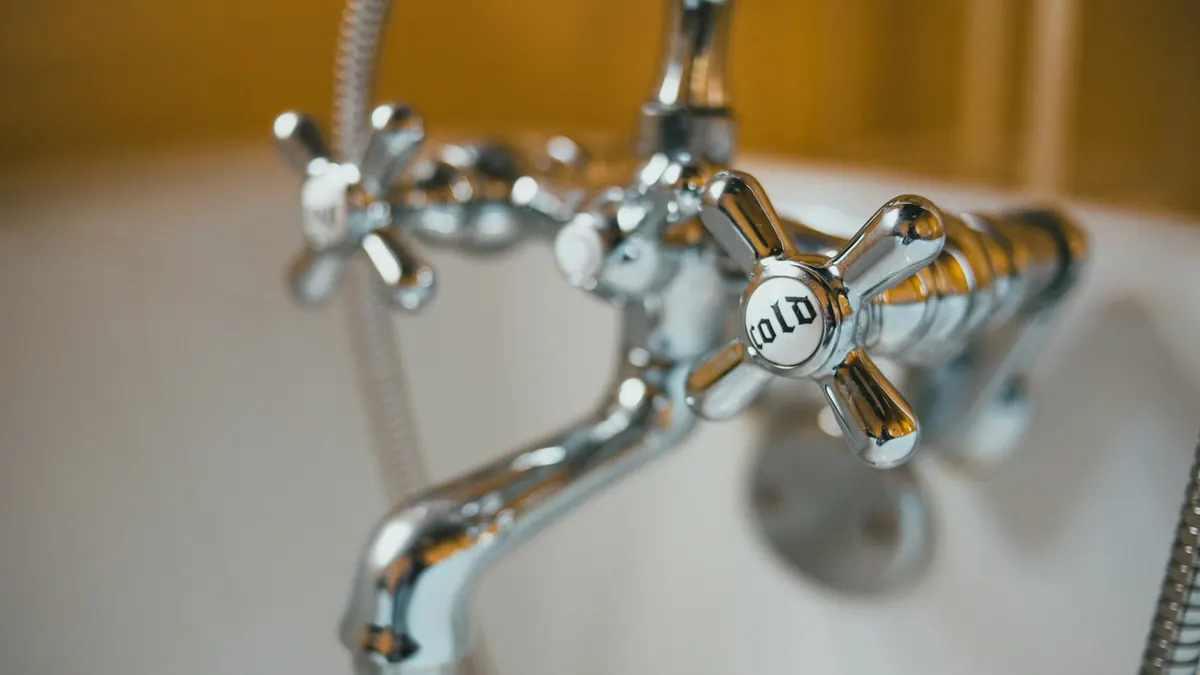
Some bathrooms age gracefully. Others hide slow leaks behind tile for years until a soft spot in the floor or a stain on the ceiling below gives them away. In Greater Boston, where many homes were built a century ago, the gap between "looks a little dated" and "needs to come out" can be smaller than it seems.
Here are eight signs that point to a real renovation rather than a quick fix, what each one usually means, and how to decide which path makes sense for your home and budget.
1. The floor feels soft or bouncy near the toilet or tub
A spongy feeling underfoot is one of the clearest warning signs. It usually means water has been getting into the subfloor for a while, often from a failed wax ring under the toilet or a leak at the tub. Wood subfloor that stays wet starts to rot.
This is not a cosmetic problem. Fixing it means pulling up the flooring, replacing the damaged subfloor and sometimes sistering joists. Once the floor is open, many homeowners decide it makes sense to redo the whole room at the same time.
2. Mold or mildew keeps coming back
A little mildew on caulk can be cleaned. Mold that returns within weeks of scrubbing, especially on the ceiling or at the base of walls, suggests moisture is trapped somewhere it should not be.
In New England, humid summers and cold winters make ventilation critical. Many older bathrooms have no exhaust fan at all, or one that vents into the attic instead of outdoors. A remodel is the right time to install a properly sized fan ducted to the exterior and to replace any drywall or plaster that has absorbed moisture.
3. Tiles are loose, cracked or sounding hollow
Tap a few tiles in the shower. If some sound hollow or move, the adhesive or backer behind them has likely failed, often because water got through the grout. Cracked floor tiles can point to movement in the subfloor.
Regrouting can help when grout is just worn. But once tiles are loose in a wet area, water is almost certainly reaching the wall behind them. That usually means tearing out the shower down to the studs and rebuilding it with proper waterproofing.
4. Water stains on the ceiling below
In a triple-decker or any multi-story home, the ceiling under the bathroom tells the truth. Brown rings, bubbling paint or sagging plaster mean water is escaping from the drain, supply lines or shower pan.
Sometimes the cause is a single loose fitting. Often, in older homes, it is an aging drain or a failed shower pan. A contractor can open a small area to diagnose it, but repeated leaks are a strong signal the bathroom has reached the end of its useful life.
5. Old plumbing: low pressure, rust and slow drains
Many Boston-area homes built between 1890 and 1930 still have galvanized steel supply pipes and cast iron drains. Galvanized pipe corrodes from the inside, which causes low water pressure and rusty water. Cast iron can crack and rust through over time.
Replacing these pipes while the walls are open during a remodel is far more efficient than chasing individual failures later. If your shower pressure has been dropping for years, this is often why.
6. The layout no longer works for how you live
Not every reason is a failure. A bathroom with a tub nobody uses, a vanity with no storage, or a door that hits the toilet can make daily routines harder than they need to be.
Life changes matter too. Aging in place is easier with a walk-in shower, grab bar blocking in the walls and better lighting. Families with young kids may want a tub and more storage. These goals usually require new plumbing locations or framing, which means a remodel rather than a refresh.
7 and 8. Dated finishes and plans to sell
Sign seven is simple: the room looks its age. Pink or green tile, a cracked fiberglass surround, peeling laminate and worn fixtures do not damage anything, but they make the whole home feel older.
Sign eight is a planned sale. Bathrooms are among the first rooms buyers judge, and visible water damage or outdated fixtures can lower offers or show up as inspection issues. A focused update before listing can help, though it is worth talking through which improvements make sense for your market.
Repair or remodel: how to decide
A repair is usually enough when the problem is isolated: a running toilet, a dripping faucet, worn caulk, a single cracked tile on a dry floor. Our home repairs work covers these.
A remodel makes more sense when you see two or more of the signs above, when water damage is involved, or when the fix requires opening walls anyway. Paying to open a wall, repair it and then tear it out again in two years costs more than doing it once.
If you are not sure which one you need, WS Construction and Remodeling can come take a look at no charge and tell you honestly what we see. Text us on WhatsApp at (857) 326-0243 or request your free estimate. We serve Chelsea, Boston, Everett and the rest of Greater Boston.
Frequently asked questions
- How long does a bathroom usually last before it needs a remodel?
- Many bathrooms go 15 to 25 years before a full renovation, but it depends on how well the shower was waterproofed, the ventilation and the plumbing. Original bathrooms in century-old homes are often well past their useful life.
- Can I just regrout instead of remodeling?
- If the tiles are solid and only the grout is worn or stained, regrouting and resealing can buy years. If tiles are loose or sound hollow, water has likely reached the wall, and regrouting will not fix it.
- Is mold in the bathroom a reason to remodel?
- Surface mildew on caulk is common and cleanable. Mold that keeps returning, or that appears on walls and ceilings, points to a moisture or ventilation problem that usually needs to be fixed at the source.
- What is the difference between a bathroom refresh and a remodel?
- A refresh keeps the existing tile and layout and updates visible items like the vanity, toilet, fixtures, lighting and paint. A remodel removes finishes down to the studs and rebuilds the room, often with new plumbing and waterproofing.
Related services
Found this helpful? Make us a preferred source on Google.
Ready for an exact price?
Get a free, no-pressure in-home estimate. Real numbers for your home, not a phone guess.