Do You Need a Permit to Remodel in Massachusetts? A Plain-English Guide
· By Wanderson Sarmento
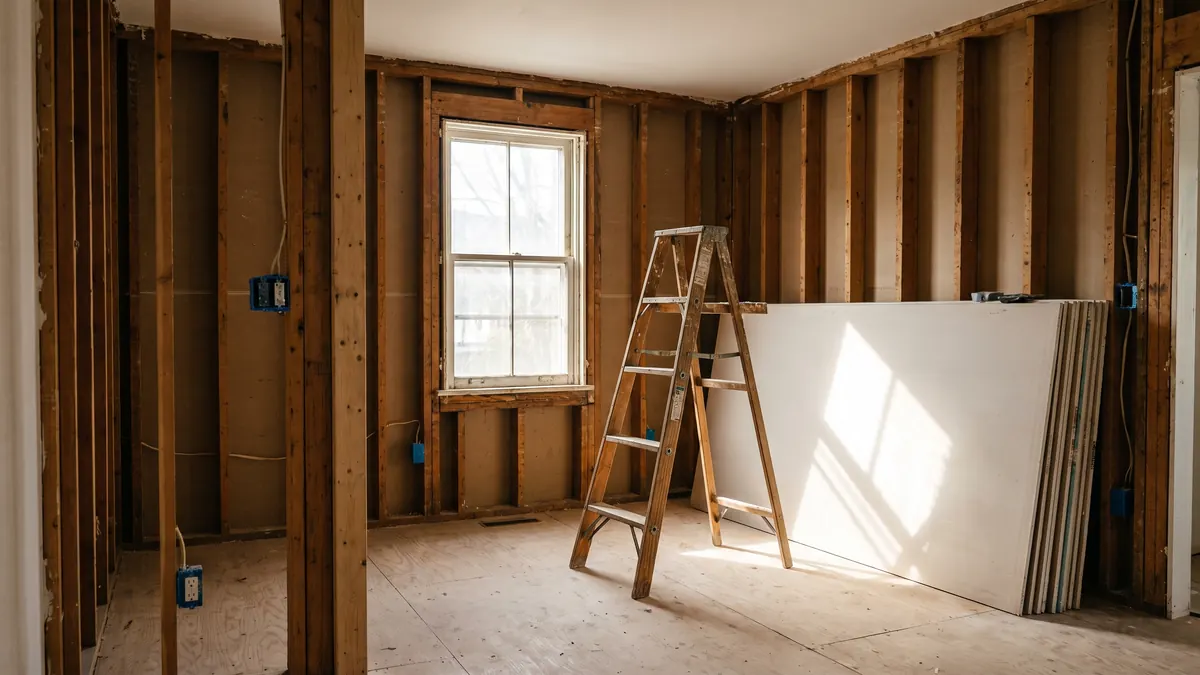
Most Massachusetts homeowners ask about permits at the wrong moment: after the old vanity is already on the curb. The short answer is that many remodeling projects in Massachusetts do need a permit, and the ones that do not are usually cosmetic. The line between the two is not always obvious.
Every city and town enforces the state building code through its own building department, and each has its own forms, fees and timelines. This guide explains what typically needs a permit, what often does not, how the process works in Greater Boston, and why skipping it rarely saves money. Always confirm the details with your local building department before work starts.
How permits work in Massachusetts
Massachusetts has one statewide building code, 780 CMR, based on the international codes with state amendments. Local building departments in Boston, Chelsea, Cambridge, Quincy, Worcester and every other community enforce it, issue permits and send inspectors.
Building, plumbing, gas and electrical permits are usually separate. A bathroom remodel might need all of them: a building permit for framing and drywall, a plumbing permit pulled by a licensed plumber, and an electrical permit pulled by a licensed electrician. Many departments now take applications online, while some smaller towns still work mostly on paper.
The rule of thumb: if the work changes structure, plumbing, gas, electrical, egress or fire safety, expect a permit. If it is surface work, it often does not need one. But check, because local rules vary.
Projects that usually need a permit
Removing, moving or altering walls, especially load-bearing walls. Adding or changing framing, beams, joists or headers. Moving or adding plumbing fixtures, such as relocating a toilet, adding a second sink or converting a tub into a walk-in shower with a new drain. Any new electrical circuits, outlets or lighting, and most panel work. Gas lines for ranges, dryers or heaters. Replacing windows or doors when the opening size changes. Finishing a basement or attic into living space. Decks, additions and most exterior structural work.
Bathroom and kitchen remodels almost always fall in this group because they touch plumbing and electrical, even when the layout stays the same. Some towns also want a building permit for replacing drywall over a certain area, or for removing plaster down to the studs.
Projects that often do not need a permit
Painting and wallpaper. Installing new flooring over a sound subfloor, such as luxury vinyl plank, laminate or hardwood in a living room. Replacing cabinets and countertops in the same location without moving plumbing or electrical. Small drywall patches, trim, baseboards and interior doors. Swapping a faucet or light fixture with a like-for-like replacement, although some towns still require the licensed trade to handle it.
Even in these cases, rules differ between communities, and condos may have their own approval process through the association. A call or email to the building department costs nothing and settles the question.
Who pulls the permit, and why it matters
On most remodeling projects, the contractor pulls the building permit, and licensed plumbers and electricians pull their own trade permits. For work regulated by the building code, such as structural changes, the permit is typically held by someone with a Massachusetts Construction Supervisor License (CSL). For home improvement work on owner-occupied homes with one to four units, the contractor generally should also be registered under the state HIC program.
If a contractor suggests you pull the permit in your own name as the homeowner, ask why. Homeowners who take out their own permits typically take on responsibility for the work and may lose some of the consumer protections tied to hiring a registered contractor.
Ask any contractor, including us, who will be responsible for each permit on your job and how inspections will be arranged. You should get a clear answer before you sign.
Older homes and lead-safe rules
Much of Greater Boston was built long before 1978, from the triple-deckers of Chelsea, Everett and East Boston to the Victorians of Somerville and Cambridge. If your home was built before 1978, federal EPA rules and Massachusetts lead-safe renovation rules apply to work that disturbs painted surfaces above small thresholds.
That means using a lead-safe certified renovator, containing dust, and cleaning and verifying the area afterward. This is separate from the building permit, but some departments ask about it during the application. Ask any contractor how they handle lead-safe work before demolition starts on an older home.
Timelines, fees and inspections
Permit fees in Massachusetts are set by each community and are often based on the estimated cost of the work. A small project may cost under a few hundred dollars in fees, while a large renovation can run higher. Review times range from same-week approvals for simple jobs to several weeks in busy cities, especially for projects that need plans.
Expect inspections at key stages: rough framing, rough plumbing and electrical before walls close, insulation in some cases, and a final inspection. Covering work before it is inspected can mean opening the wall again.
Build permit time into your schedule. If you want a bathroom done by the holidays, the permit step should start well before the demolition date.
What happens if you skip the permit
Unpermitted work tends to surface at the worst time. Home inspectors and buyers' attorneys check permit history when you sell, and open or missing permits can delay a closing or force you to open finished walls for inspection. Insurance companies may question claims tied to unpermitted electrical or plumbing work.
Local departments can also issue stop-work orders and fines. In most cases the permit fee is a small fraction of the project cost and the inspections are a free second set of eyes on the work.
Frequently asked questions
- Do I need a permit to remodel a bathroom in Massachusetts?
- Usually yes, if the work touches plumbing, electrical or framing, which most bathroom remodels do. A purely cosmetic refresh, like painting and a new mirror, often does not. Check with your local building department for your exact scope.
- Do I need a permit to replace flooring in Massachusetts?
- Replacing flooring over a sound subfloor often does not need a permit. If the job includes structural subfloor or joist repair, a permit may be required. Rules vary by town, so confirm locally.
- Can a homeowner pull their own permit in Massachusetts?
- In many cases a homeowner can pull a permit for work on their own single-family home, but they take responsibility for the work and may give up some protections that come with hiring a registered contractor. Plumbing and electrical permits generally require licensed trades.
- How long does it take to get a building permit in Greater Boston?
- It depends on the city and the project. Simple permits can come through within days, while larger projects in busy cities like Boston or Cambridge can take several weeks. Ask your building department for current review times.
- Will WS Construction and Remodeling explain permits during the estimate?
- Yes. During the free estimate visit, WS Construction and Remodeling walks through your scope and explains which parts of the job typically involve permits and inspections. Text us on WhatsApp at (857) 326-0243 to get a free estimate.
Found this helpful? Make us a preferred source on Google.
Ready for an exact price?
Get a free, no-pressure in-home estimate. Real numbers for your home, not a phone guess.