How Much Does Hardwood Floor Installation Cost in Massachusetts? (2026 Guide)
· By Wanderson Sarmento
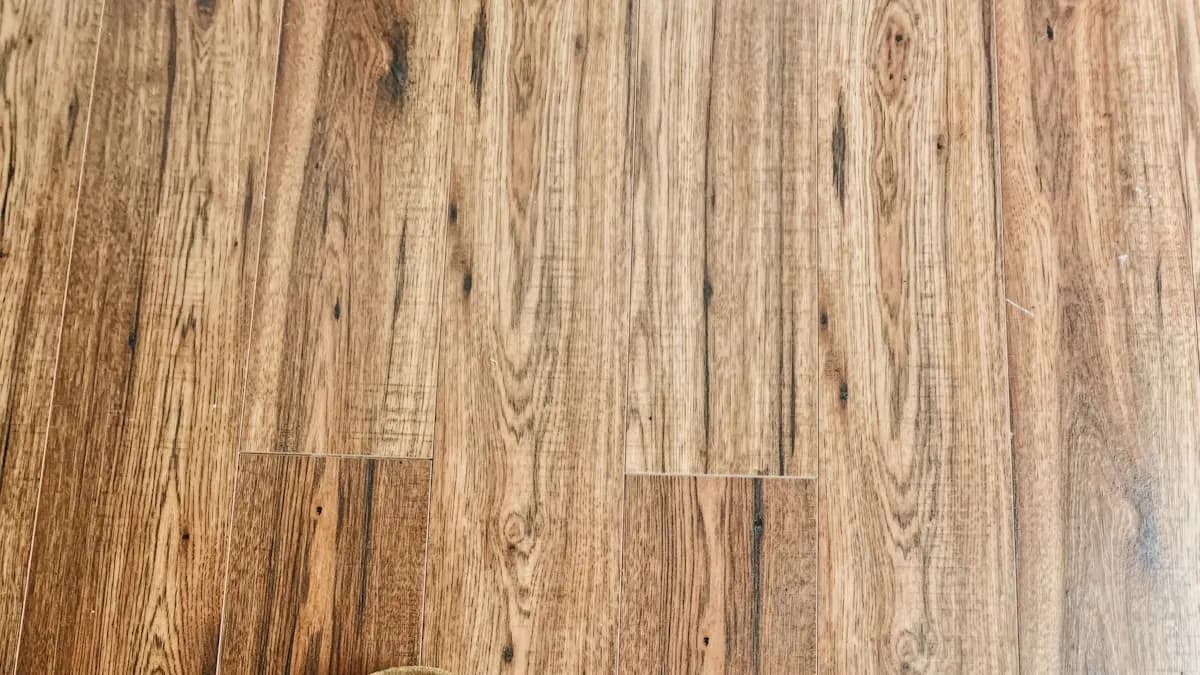
Hardwood is still the floor most Massachusetts homeowners ask for first. It adds warmth, it lasts for decades, and buyers in Greater Boston expect to see it. The hard part is the price, because two quotes for the same room can be thousands of dollars apart.
This guide breaks down typical market costs for hardwood floor installation in Massachusetts in 2026, explains what pushes a project up or down, and shows you how to compare quotes so you pay a fair price for work that holds up through New England winters.
Typical hardwood installation costs in Massachusetts
Prices vary widely by material, home and contractor, so treat these as rough market ranges, not a quote. In the Boston area, most homeowners spend roughly $9 to $16 per square foot for solid hardwood, installed, including materials and labor.
Engineered hardwood typically lands lower, around $7 to $13 per square foot installed. Premium species, wide planks, or herringbone patterns can push past $18 to $25 per square foot.
For a sense of scale: a 300 square foot living room in solid oak often falls somewhere between $3,000 and $5,000. A 1,000 square foot floor across a full unit of a triple-decker can run $10,000 to $16,000 or more once removal, subfloor work and trim are added.
Labor alone usually accounts for about $4 to $8 per square foot of that total. The rest is material, underlayment, fasteners, transitions and finish.
Solid vs engineered hardwood: which costs less long term
Solid hardwood is one piece of wood, usually three-quarters of an inch thick. It can be sanded and refinished many times, which is why a well-kept oak floor in a 1920s Somerville home can still look good today.
Engineered hardwood has a real wood top layer bonded to a plywood or composite core. It moves less with humidity, so it handles Massachusetts seasons better, and it can go over concrete or radiant heat where solid wood should not.
Upfront, engineered is usually cheaper. Over 30 years, solid may win because it can be refinished more often. If the floor is going in a condo over concrete, a below-grade room, or a space with big humidity swings, engineered is often the safer choice regardless of price.
What drives the price up or down
Species and grade. Red and white oak are the most common and the most budget friendly. Maple, hickory and walnut cost more, and clear grades with few knots cost more than character grades.
Plank width and pattern. Wide planks need more careful acclimation and fastening. Herringbone and chevron take far longer to lay than straight runs, so labor can double.
Prefinished vs site-finished. Prefinished boards install faster and you can walk on them the same day. Site-finished floors are sanded and coated in place, which adds labor and a few days of drying, but gives a smoother, sealed surface.
Room layout. Closets, hallways, stairs and lots of doorways mean more cuts. Stairs alone are often priced per step, commonly $100 to $250 each depending on treads, risers and nosing.
Hidden costs in older Greater Boston homes
Much of the housing stock in Chelsea, Everett, Malden and Somerville was built between 1890 and 1930. These homes are full of character, and also full of surprises under the floor.
Removal of old flooring. Tearing out carpet, vinyl or layered linoleum usually adds $1 to $3 per square foot. Some older sheet vinyl and adhesives may contain asbestos and need testing before removal.
Subfloor repair and leveling. Wavy, sloped floors are common in triple-deckers. Leveling, sistering joists or replacing damaged boards can add a few hundred to several thousand dollars.
Trim, thresholds and doors. New floors often sit higher than old ones, so baseboards, shoe molding, thresholds and door bottoms may need adjustment. Moving furniture and appliances can also be a line item.
Lead-safe practices. In homes built before 1978, work that disturbs painted surfaces such as baseboards falls under EPA lead-safe rules. Ask any contractor how they handle it.
Climate matters: acclimation and humidity in New England
Wood expands in humid summers and shrinks in dry, heated winters. In Massachusetts that swing is big enough to cause gaps, cupping or buckling if the floor is not handled right.
Good installers let the wood acclimate in the home before installing, check moisture in both the boards and the subfloor, and leave the right expansion gap at the walls. Many homeowners also run a humidifier in winter and a dehumidifier in summer to keep indoor humidity in a moderate range.
Skipping these steps saves a day on the schedule and can cost you the whole floor later.
How to compare hardwood flooring quotes
Ask every contractor to quote the same thing: species, grade, plank width, solid or engineered, prefinished or site-finished, and total square footage plus a waste allowance (usually 5 to 10 percent).
Check what is included. Removal, disposal, subfloor prep, underlayment, trim, transitions, stairs and furniture moving should be listed clearly, not left as surprises.
In Massachusetts, contractors doing work on existing owner-occupied one to four unit homes generally need to be registered under the state Home Improvement Contractor program. Ask for proof of insurance and a written contract with the scope and payment schedule.
Finally, ask about workmanship warranty and cleanup. A floor is only finished when the dust is gone and the room is ready to live in.
Ways to keep your hardwood budget under control
Choose a common species. Red or white oak in a standard width gives you real hardwood at the lower end of the price range, and it matches the original floors in many Boston-area homes.
Do the project in phases. Many owners start with the main living areas and add bedrooms later. Buying a little extra material from the same lot helps the later phase match.
Keep the layout simple. Straight runs parallel to the longest wall waste less material and take less time than diagonal or patterned installs.
Bundle related work. If baseboards, drywall patches or paint are on your list, doing them in the same visit avoids paying twice for setup and protection. When you are ready, text WS Construction and Remodeling on WhatsApp or call (857) 326-0243 to get a free estimate.
Frequently asked questions
- How long does hardwood floor installation take?
- A single room with prefinished boards often takes one to two days after acclimation. A full floor with removal, subfloor work and site finishing can take one to two weeks, including drying time between coats.
- Is it cheaper to refinish or replace hardwood floors?
- Refinishing is usually much cheaper, often around $4 to $7 per square foot in the Boston area, as long as the existing boards are solid and thick enough to sand. Replacement makes sense when boards are damaged, too thin, or you want a different layout or species.
- Can hardwood go in a kitchen or basement?
- Hardwood can work in a kitchen if spills are wiped quickly. Below grade, solid hardwood is generally not recommended because of moisture. Engineered hardwood or luxury vinyl plank is the more common choice for Massachusetts basements.
- Do I need a permit to install hardwood floors in Massachusetts?
- Replacing a floor covering usually does not require a building permit, but structural work like replacing joists or subfloor framing may. Rules vary by town, so check with your local building department.
- How do I get an exact price for my floor?
- The only way to get an accurate number is to have someone measure the space and check the subfloor. WS Construction and Remodeling offers free estimates with no visit fee across Greater Boston.
Found this helpful? Make us a preferred source on Google.
Ready for an exact price?
Get a free, no-pressure in-home estimate. Real numbers for your home, not a phone guess.