Remodeling in Newton, MA: A Village-by-Village Guide for Homeowners
· By Wanderson Sarmento
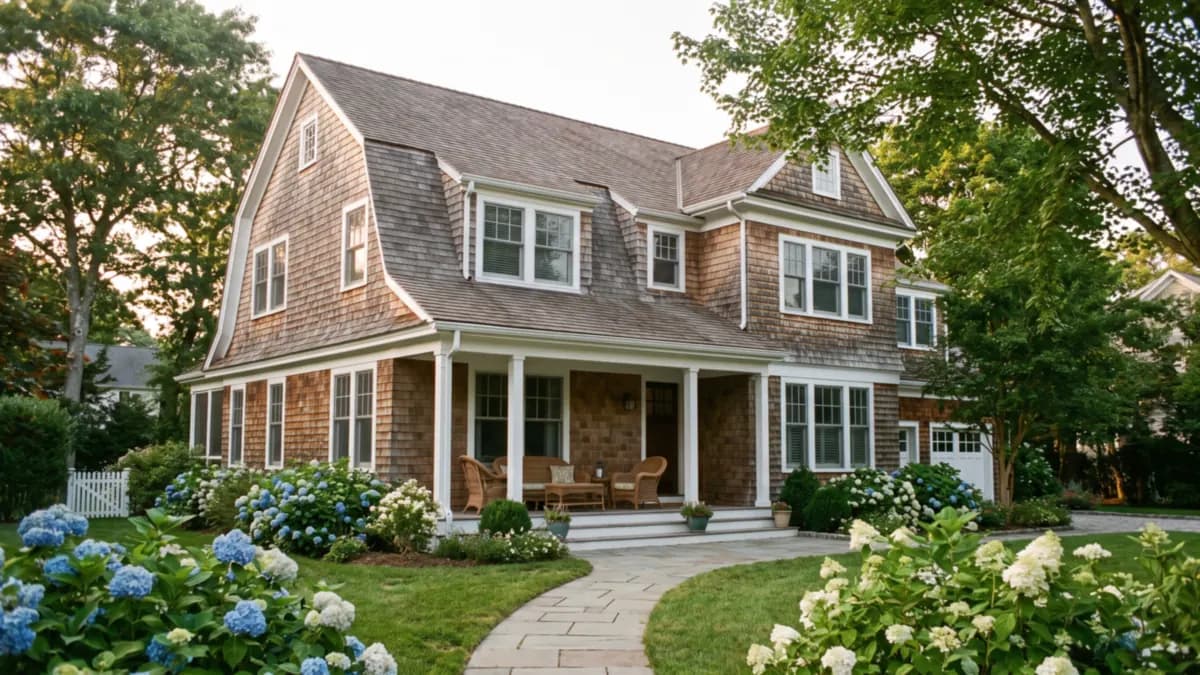
Newton is a city of villages: Newton Centre, Newtonville, West Newton, Auburndale, Waban, Chestnut Hill, Newton Highlands, Newton Upper Falls, Newton Lower Falls, Nonantum, Oak Hill and others, each with its own center and its own mix of houses. Compared with the denser cities closer to Boston, Newton has more single-family homes on larger lots, many of them Colonials, Victorians, Tudors and Shingle style houses built from the late 1800s through the 1930s, plus mid-century neighborhoods in places like Oak Hill.
Remodels in Newton tend to be about making a well-built older house work for how people live now: bigger kitchens, better primary bathrooms, mudrooms, finished basements and floors that can handle family life. This guide covers what to expect inside these homes, how permits and historic review generally work, when to schedule and how to pick the right contractor.
The housing across Newton villages
The older villages along the commuter rail and Green Line, such as Newtonville, West Newton, Auburndale, Newton Centre and Newton Highlands, grew up around train stations in the late 1800s and early 1900s. Many homes there are large Victorians, Colonial Revivals and Shingle style houses with original woodwork, plaster walls and multiple fireplaces.
Chestnut Hill and Waban have some of the larger and more architecturally detailed homes in the city, including Tudors and grand Colonials. Nonantum and parts of Newton Corner have more two-families and smaller homes on tighter lots. Oak Hill and areas in the southern part of the city filled in after World War II with ranches, Capes and split-levels that look very different inside.
This spread matters because the right plan for a 1920s Colonial in Newton Highlands, with its formal rooms and small original kitchen, is not the right plan for a 1950s ranch in Oak Hill, where opening walls is often easier and the basement may be the best place to add space.
What older Newton homes reveal during demolition
Well-built does not mean problem-free. Homes from the late 1800s and early 1900s often hide several generations of upgrades: old wiring mixed with newer circuits, sections of knob-and-tube in some houses, galvanized and copper plumbing spliced together, and framing that was cut for past heating or plumbing runs. Original hardwood floors are common and often worth refinishing, but the subfloor underneath may need repair in kitchens and bathrooms.
Mid-century homes bring different issues. Some flooring, adhesives and pipe insulation from that era can contain asbestos, and bathrooms with mortar-bed tile frequently have water damage below. Electrical panels sized for 1950s households may not support a modern kitchen.
Any home built before 1978 should be treated as having lead paint until tested, and contractors disturbing painted surfaces must follow EPA lead-safe work rules. For older homes, a contingency of 10 to 20 percent above the estimate is a sensible planning number.
Permits and historic review in Newton
Building permits in Newton go through the city's Inspectional Services Department. As a general rule, structural work, new or relocated plumbing, electrical and gas work need permits, and the plumbing and electrical permits are pulled by the licensed trades. Like-for-like cosmetic updates often do not require a building permit, but confirm with the city.
Newton has several local historic districts, including Newton Upper Falls and Chestnut Hill, overseen by the city's historic preservation staff and commissions. In those districts, exterior changes such as windows, doors, siding, porches, roofing and additions generally need review before work begins. Newton also has a demolition review process for older buildings, which can apply when part of a house is being removed. Interior remodels are generally outside historic review, but check your address early if any part of the project touches the exterior.
Massachusetts requires contractors doing home improvement work on existing owner-occupied homes of one to four units to be registered under the Home Improvement Contractor (HIC) program. Ask for the number and verify it with the state.
The best time of year to remodel in Newton
Interior projects can run year-round. Many Newton families plan kitchen and bathroom remodels for late fall or winter, when contractor schedules tend to be more open and the work stays inside a heated home. Others aim for summer, when kids are out of school and the family may travel, which reduces how long they live with a construction zone.
Exterior work and anything that opens the building, like a new window or a mudroom addition, fits best between late spring and early fall. Freeze-thaw cycles affect masonry, exterior paint and some sealants, so those trades work better in warmer months.
If you want work done in spring or early summer, start getting estimates in winter. Historic review, permits and custom cabinet or tile orders can each add weeks, and those lead times add up quickly on larger projects.
How to choose a contractor for a Newton project
Look for a contractor who respects original details. Ask how they protect hardwood floors and woodwork during demolition, how they control dust in an occupied house and how they handle trim and plaster repairs so new work blends with old.
Get two or three written estimates after an in-person walkthrough. A strong estimate itemizes demolition, materials, labor and allowances, and explains how hidden conditions are priced. Confirm insurance in writing and verify HIC registration. Ask who will be on site day to day and how quickly questions get answered.
Many Newton projects happen while the family keeps living in the house. A clean, organized job site and same-day communication make that much easier. WS Construction and Remodeling works across Greater Boston with that approach, and the team speaks English, Portuguese and Spanish.
Remodeling priorities that make sense in Newton
Kitchens are often the top priority, because many older Newton homes still have small kitchens separated from family space. Updated layouts, full-height cabinets and new flooring change how the whole first floor works. Across Greater Boston, mid-range kitchen remodels commonly run from the high tens of thousands into six figures depending on size, cabinets and whether walls move, so treat any number as a rough starting point.
Primary bathrooms come next. Adding a properly ventilated, waterproofed bathroom with good storage is one of the most requested updates in older homes. In Greater Boston, mid-range full bathroom remodels commonly fall somewhere around $25,000 to $50,000, and larger primary baths with custom tile can run higher.
Mudrooms with built-in cabinets, finished basements in dry homes and refinished or replaced flooring round out the list. WS offers free estimates with no visit fee, so you can see what each priority would involve in your house before deciding what to do first.
Frequently asked questions
- Do I need a permit to remodel a kitchen in Newton?
- Most kitchen remodels involve electrical and plumbing work that requires permits from licensed trades, and moving walls adds a building permit through the Inspectional Services Department. Replacing cabinets in the same layout may not. Confirm with the city before work starts.
- Is my Newton home in a local historic district?
- Newton has several local historic districts, including Newton Upper Falls and Chestnut Hill. Check your address with the city early. If you are in a district, exterior changes generally need review, while interior work usually does not.
- Should I refinish or replace the original hardwood floors?
- If the boards are solid and thick enough to sand, refinishing usually keeps the character of an older Newton home and costs less than replacement. Water damage, deep wear or previous heavy sanding may make replacement the better choice in some rooms.
- Can we live in the house during a remodel?
- Often, yes, especially for a single bathroom or flooring project. Kitchen remodels are harder, and some families set up a temporary kitchen elsewhere in the house. Dust control and a clear daily schedule make a big difference.
- How far ahead should I plan a remodel in Newton?
- For a spring or summer start, begin getting estimates in winter. Permits, historic review if it applies and lead times for cabinets and tile can add several weeks before work begins.
Found this helpful? Make us a preferred source on Google.
Ready for an exact price?
Get a free, no-pressure in-home estimate. Real numbers for your home, not a phone guess.